The structural condition of a building’s brickwork and masonry plays an important role in its overall strength and stability. Cracks, movement, damaged joints, deteriorating bricks, and long-term weather exposure can all affect masonry over time. While some defects may be cosmetic, others can indicate more significant problems that require careful assessment and appropriate repair.
At Fairmont Roofing & Stonework, we provide professional structural masonry repair services across London, helping homeowners address damaged, deteriorating, or unstable masonry. We take a careful approach to identifying the visible signs of damage, understanding the affected area, and recommending suitable repair or restoration work based on the condition of the property.
Professional Structural Masonry Repairs
Structural masonry can deteriorate for a variety of reasons. Age, prolonged moisture exposure, weathering, movement, settlement, damaged mortar joints, and previous alterations can all contribute to cracking or deterioration.
Ignoring visible defects can allow some problems to worsen over time. Cracks may become larger, damaged mortar can allow further water penetration, and weakened sections may become increasingly unstable.
Our structural masonry repair service is focused on addressing damaged areas carefully and helping restore the condition and integrity of the affected building work.
Common Masonry Problems We Address
Structural masonry problems can vary considerably from property to property. Some common issues include:
A visible crack or damaged area does not necessarily indicate the same underlying problem in every property. This is why careful assessment is important before repair work begins.
Cracked Brickwork & Masonry
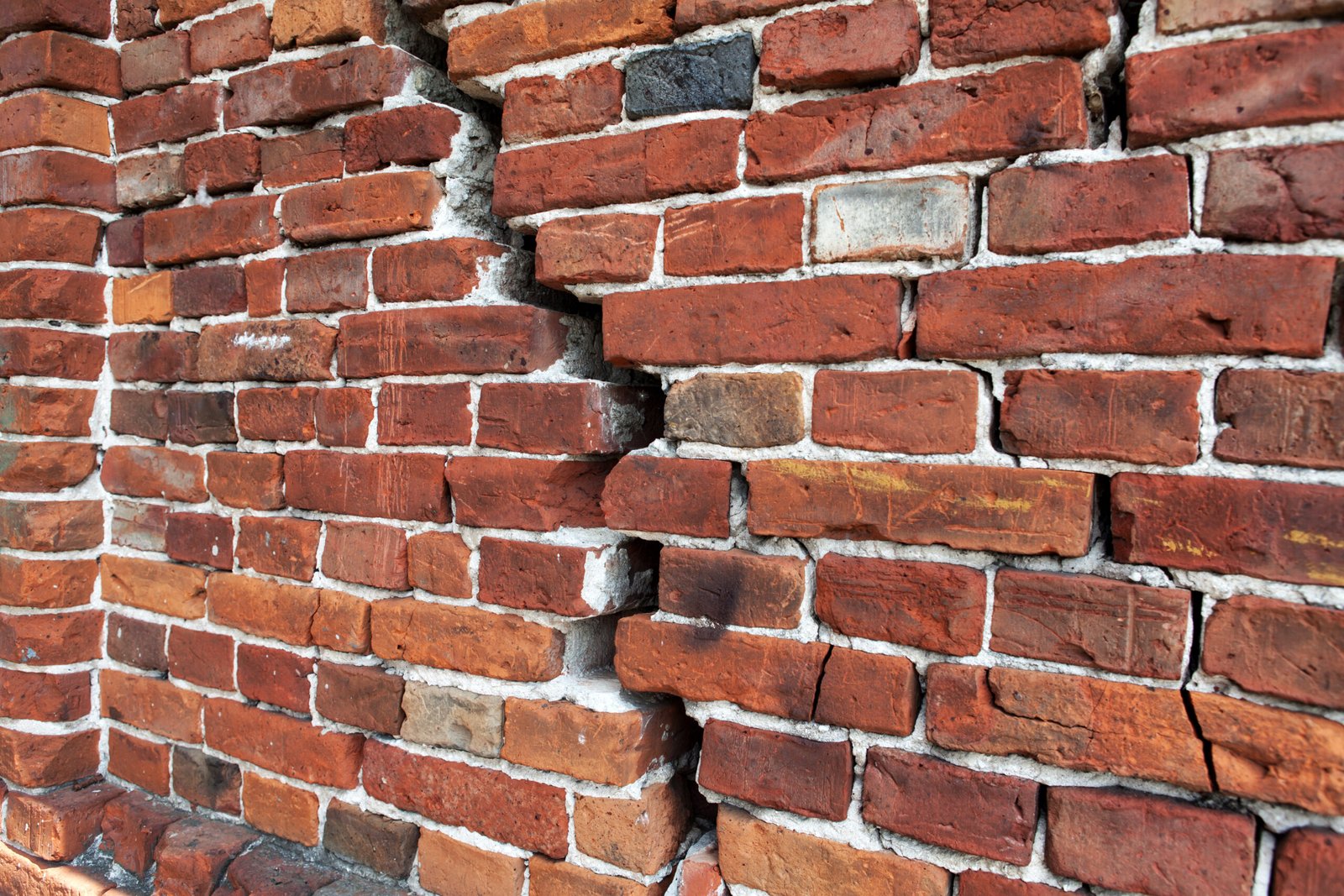
Cracks are one of the most noticeable signs that masonry may require attention. Some cracks may be relatively minor, while others can indicate movement or deterioration within the wall.
We assess the location, appearance, and extent of visible cracking to help determine the appropriate course of action. Depending on the situation, repairs may involve repointing, replacing damaged bricks, repairing affected sections, or carrying out more extensive structural work.
The aim is to address the affected area appropriately rather than simply covering the visible crack.
Damaged & Deteriorated Mortar
Mortar joints help hold masonry units together and protect the wall from moisture penetration. Over time, mortar can become cracked, loose, powdery, or missing due to weather exposure and natural deterioration.
Where deteriorated mortar is contributing to the condition of the wall, repointing may form an important part of the repair. Carefully restoring damaged joints can help improve the weather resistance and overall condition of suitable masonry.
Our repointing and restoration experience allows us to address mortar deterioration as part of a wider structural repair where appropriate.
Damaged or Loose Bricks
Individual bricks can crack, become damaged, or deteriorate through prolonged weather exposure. In some cases, damaged units can compromise the surrounding area and should be addressed before the problem spreads.
Where practical, individual damaged bricks can be carefully removed and replaced with suitable materials. We aim to maintain the appearance of the existing wall while restoring the affected section.
Masonry Movement & Instability
Movement within a wall can result from a number of factors, including building movement, ground conditions, moisture, deterioration, or problems affecting connected structures.
Signs of possible movement can include stepped cracking, displaced brickwork, leaning sections, gaps, or visible changes in the alignment of the wall.
Where movement is suspected, professional assessment is important to determine the nature and extent of the issue before deciding on repairs.
Structural Masonry & Damp Problems
Moisture can have a significant effect on brickwork and mortar. Persistent exposure to water can accelerate deterioration, particularly where pointing, flashing, guttering, or external surfaces are already damaged.
If structural masonry problems are accompanied by dampness or water penetration, it may be necessary to address the moisture source alongside the masonry repair.
Our wider damp proofing, roofing, guttering, and repointing services allow us to consider related issues where appropriate.
Masonry Repairs for Older London Properties
London has many older and traditional properties where existing brickwork contributes to the character of the building. Repairing these structures requires attention to both their condition and appearance.
We consider the existing construction, materials, mortar joints, and overall appearance when carrying out masonry repair work. Where practical, our aim is to restore damaged areas while preserving the character of the existing property.
Structural Masonry Repair Process
1. Initial Assessment
We begin by discussing the issues you have noticed and examining the affected masonry. We look for visible cracking, damaged bricks, deteriorated mortar, movement, moisture-related deterioration, and other signs of concern.
2. Identify the Affected Areas
We assess whether the problem is localised or extends across a wider section of the building. This helps establish the appropriate scope of repair work.
3. Determine the Appropriate Solution
Depending on the condition, repairs may include repointing, brick replacement, localised rebuilding, restoration, or other suitable remedial work.
4. Prepare the Damaged Area
Deteriorated or unsuitable materials are carefully addressed as required before repair work begins. Preparation is important for achieving a durable and properly finished result.
5. Complete the Repair
The agreed structural repair work is carried out with attention to the surrounding masonry and existing construction.
6. Final Inspection
Once the work is completed, the repaired area is checked to ensure it has been properly finished and the identified issue has been addressed.
Brick Replacement & Localised Rebuilding
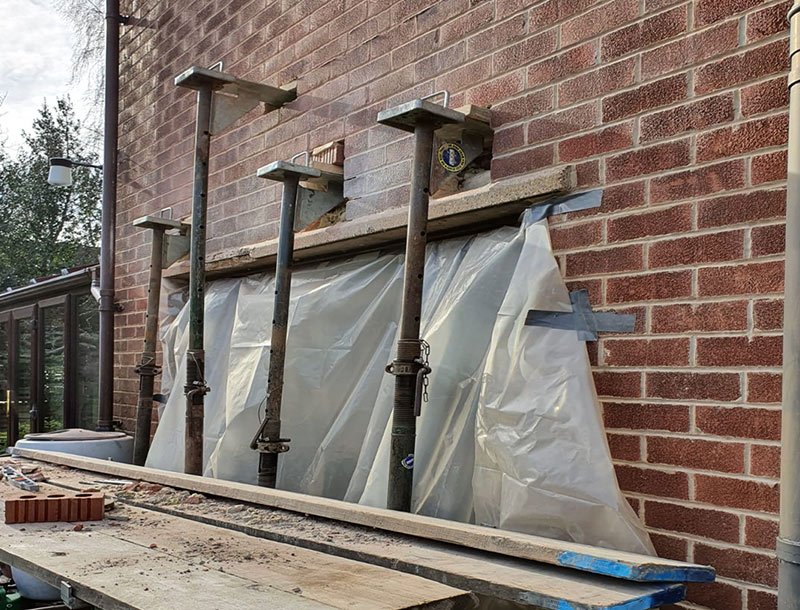
In some situations, damaged masonry may require more than repointing. Severely deteriorated bricks or unstable sections may need to be removed and rebuilt.
Localised rebuilding can be appropriate where only part of a wall has been significantly affected. This can help restore the damaged area without unnecessarily disturbing sections of the building that remain sound.
We assess the condition of the wall before recommending whether localised rebuilding is appropriate.
Structural Masonry & Repointing
Repointing can play an important role in maintaining the condition of brickwork. Deteriorated mortar can allow water into the wall and may contribute to the gradual weakening of masonry.
Where suitable, repointing can help restore damaged joints and improve the wall’s resistance to weather exposure. We assess the condition of the existing mortar before determining whether repointing should form part of the repair.
Structural Masonry & Roofline Issues
Problems with roofline components can sometimes contribute to deterioration of external masonry. Defective guttering, damaged flashing, and water overflowing from the roofline can repeatedly expose walls to moisture.
When assessing masonry problems, we can consider relevant roof and roofline components where appropriate. Addressing the source of water exposure can be an important part of protecting repaired masonry.
Maintaining Repaired Masonry
After structural masonry repairs have been completed, ongoing maintenance can help protect the work and surrounding building. Regularly checking external walls, pointing, roofline components, and areas vulnerable to moisture can help identify new problems early.
Promptly addressing cracked mortar, damaged bricks, guttering defects, and water penetration can help reduce the risk of further deterioration.
Why Choose Fairmont Roofing & Stonework?
At Fairmont Roofing & Stonework, we understand that masonry problems require more than a quick cosmetic fix. We focus on identifying the affected areas and recommending practical repair solutions based on the condition of the property.
Our experience across structural building repairs, repointing, restoration, boundary walls, garden walls, roofing, guttering, and damp proofing allows us to consider the wider condition of the building when addressing masonry problems.
We are committed to careful workmanship, attention to detail, and dependable solutions designed to restore the condition and protection of your property.
Restore Your Masonry With Confidence
Damaged masonry should not be ignored, particularly where cracks, movement, deteriorated mortar, or water penetration are present. Early assessment and appropriate repairs can help prevent further deterioration and protect the wider building.
From brick and mortar repairs to localised rebuilding, repointing, restoration, and structural masonry work, Fairmont Roofing & Stonework provides practical solutions for properties across London.
Need structural masonry repair services in London? Contact Fairmont Roofing & Stonework today to discuss your property and arrange an assessment.
At Fairmont Roofing & Stonework, we provide dependable roofing, building, and property protection services for homeowners across London. From roof repairs and complete replacements to new roof installations, our work is focused on keeping your property safe, weather-resistant, structurally sound, and looking its best. We combine practical experience with quality workmanship to deliver solutions designed around the condition and needs of your property.
Devonshire House, 1 Mayfair Pl, London W1J 8AJ
© Copyright 2026 | All rights reserved.
Design & Development by